What Happens During a Texas Home Inspection
Inspection day follows a set order, and knowing it ahead of time makes the whole process easier to follow.
October 16, 2026 · 4 min read
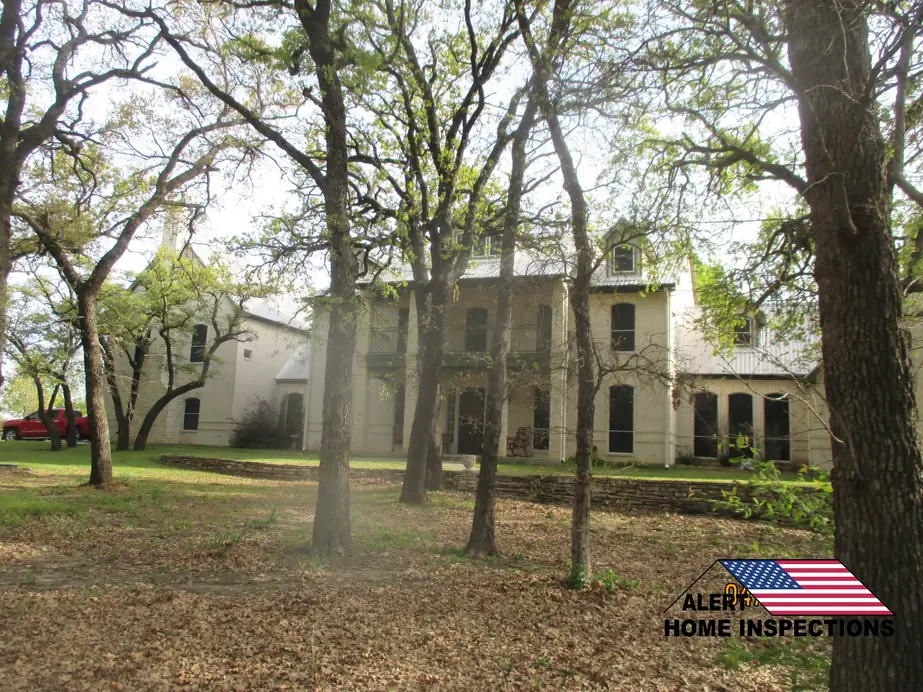
A home inspection in Texas follows a set order, and knowing that order takes most of the mystery out of the day. Alert Home Inspections works to the Texas Real Estate Commission Standards of Practice, which define what an inspector looks at, how findings are reported and what falls outside the scope. Randall Wooten, TREC Professional Inspector #8726-PI, started the company in 2004, and Darren Lee, #26297-PI, also performs inspections for the firm. Whichever of them comes to your property, the structure of the visit is the same.
How long the visit takes
For a typical house, plan on approximately three to four hours on site. Larger homes, properties with outbuildings and houses with a lot of mechanical equipment can take longer, and a house that has been vacant for months sometimes needs extra time because every system has to be started and watched while it runs.
Buyers are welcome to be there, and many arrive toward the end so the findings can be shown to them while the evidence is still in front of them. Alert presents its findings after the inspection and answers whatever questions come up, so that conversation is the best time to ask about anything that looked unclear in the house.
The report follows the systems, in a fixed order
The written report is organized the way the Standards of Practice organize a house. Each section covers a group of systems, and each group is broken into the components inside it:
- Structural: foundations, grading and drainage, roof coverings, roof structures and attics, walls, ceilings and floors, doors, windows, stairways, fireplaces and chimneys, and porches, balconies, decks and carports.
- Electrical: the service entrance and panels, then branch circuits, connected devices and fixtures.
- HVAC: heating equipment, cooling equipment, and the duct systems, chases and vents that move the air.
- Plumbing: supply and distribution systems and fixtures, drains, wastes and vents, water heating equipment, hydro-massage therapy equipment and the gas distribution system.
- Appliances: dishwashers, food waste disposers, range hoods and exhaust systems, ranges, cooktops and ovens, microwave ovens, mechanical exhaust vents, garage door operators and dryer exhaust systems.
- Optional: landscape irrigation, meaning the sprinkler system.
That fixed order has a practical benefit. When you open the report a week later with a contractor, you can go straight to the electrical section or the plumbing section without hunting through the document.
What the inspector is doing along the way
Much of the work happens in places most owners rarely visit. The inspector walks the roof or studies it from the best safe vantage point, climbs into the attic to look at framing, insulation and ductwork, and checks the foundation and grading around the outside of the house. Inside, the work shifts to the mechanical systems: operating the heating and cooling equipment, running water at fixtures to watch for leaks and drain performance, testing outlets, and opening the main electrical panel where it is safe to do so to look at the wiring and breakers inside.
The report: photographs, the Summary Section and the checklist
Alert delivers the completed report within 24 hours after the inspection. It includes digital photographs taken during the inspection, so each finding is tied to an image rather than a vague description. It also includes a Summary Section that lists the defective and marginal items needing repair or replacement. If you only have ten minutes, read the Summary Section first. It is the condensed version of everything that matters for negotiation and planning.
The third piece is the Pre-Closing Home Inspection checklist. It is a list of the repair items you can use to check on the work before you close. If a seller agreed to fix a handrail, replace a failed receptacle or repair a leak, the checklist gives you a way to confirm it was actually done, rather than taking a closing-table assurance on faith.
What an inspection does not do
A TREC inspection is a visual look at what can be reached and seen on the day. It does not open walls, dig up pipes or predict how long any component will last. A furnace that runs fine today can fail next winter, and a roof with no visible leaks can still be near the end of its life. The report records conditions as they were found, and where something looks like it needs more than a visual check, the right move is to bring in a specialist, which is a subject worth its own article.
Getting the house ready
A few small steps on the seller or occupant side make the day smoother, and buyers can ask their agent to confirm them in advance:
- Keep the electricity, water and gas on, and make sure pilot lights are lit, so every system can be run.
- Clear a path to the electrical panel, the water heater, the attic hatch and any crawlspace access.
- Put pets somewhere safe, and leave a note about any locked gates, sheds or outbuildings.
If you are buying or selling in Weatherford or elsewhere in Parker County and want to see how the process works before you book, the home inspections page under Services on this site covers the same ground, and the sample reports Alert posts on its website show a finished example. Call Alert Home Inspections at (817) 999-4162 to schedule, or to ask what to expect for your particular property.
Alert Home Inspections, (817) 999-4162
Call (817) 999-4162More articles
Phase Inspections on a New Build in Parker County
The most important parts of a new house are the parts nobody will ever see again once the next trade shows up.
Your One-Year Builder Warranty and the Inspection
A new house spends its first year drying, settling and showing which trades did careful work.