How to read an Alert inspection report.
Your report arrives within 24 hours of the walk. This page shows how it is laid out, what to do with the Summary Section, and what to ask a contractor once you know what needs fixing. For the inspections themselves, start at the buyer's home inspection or the seller's pre-listing inspection.
What is in the report.
All home inspections in the State of Texas must follow the Standards of Practice written by the Texas Real Estate Commission, and Alert's inspections are conducted to them. A typical inspection takes approximately three to four hours. After it, Randall or Darren presents the findings and answers every question you have. The completed report follows within 24 hours.
- Digital photographs taken during the inspection
- A Summary Section listing defective and marginal items for repair or replacement
- A Pre-Closing Home Inspection checklist for checking on repairs before closing
- Each section categorised, so you can find a repair quickly
The report in TREC order.
The pages run in the order of the Texas report form. Each item below is marked inspected, not inspected, not present or deficient, with notes. The red flag marks each item the report covers.
Structural
- Foundations
- Grading & Drainage
- Roof Coverings
- Roof Structures & Attics
- Walls (Interior & Exterior)
- Ceilings & Floors
- Doors (Interior & Exterior)
- Windows
- Stairways (Interior & Exterior)
- Fireplaces & Chimneys
- Porches, Balconies, Decks, & Carports
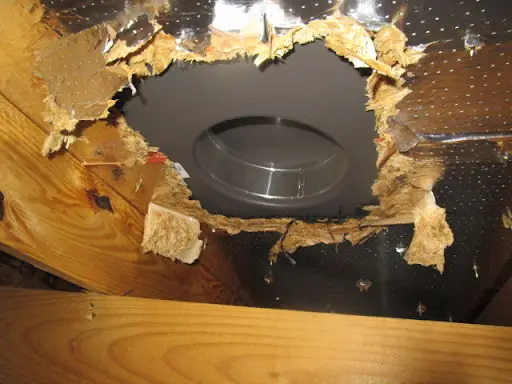
Electrical
- Service Entrance & Panels
- Branch Circuits, Connected Devices, & Fixtures
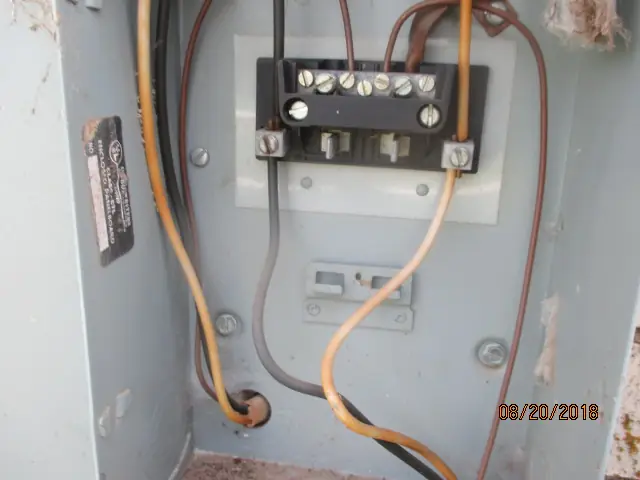
HVAC
- Heating Equipment
- Cooling Equipment
- Duct Systems, Chases, & Vents
Plumbing
- Plumbing Supply, Distribution Systems, & Fixtures
- Drains, Wastes, & Vents
- Water Heating Equipment
- Hydro-Message Therapy Equipment
- Gas Distribution System
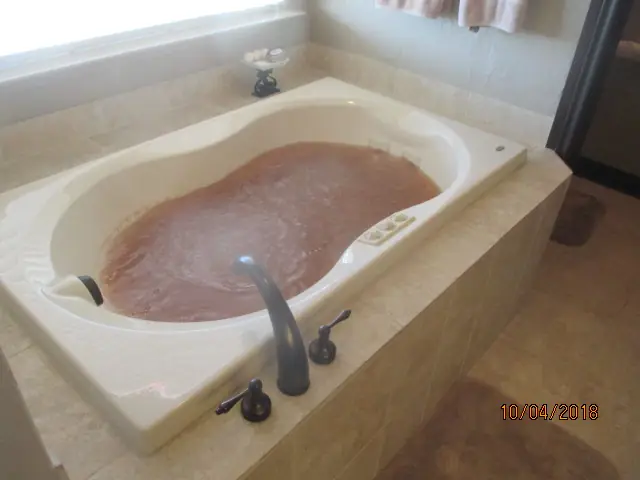
Appliances
- Ducting
- Dishwashers
- Food Waste Disposers
- Range Hood & Exhaust Systems
- Ranges, Cooktops, and Ovens
- Microwave Ovens
- Mechanical Exhaust Vents & Bathroom Heaters
- Garage Door Operators
- Dryer Exhaust Systems
Optional
- Landscape Irrigation (Sprinkler) Systems
Two pages you will use more than the rest.
The Summary Section
It lists the defective and marginal items for repair or replacement in one place. Take this page to the table when you talk with the seller, the builder or your agent.
The Pre-Closing checklist
It is for checking on repairs before closing. Walk the house with it before you sign and tick each item that was agreed. Anything left open is yours to raise while you still can.
Selling instead? A pre-listing report works the same way, and you can add it to your disclosure statement. See the pre-listing inspection.
Read a real report before you book one.
Download the sample reports (PDF)
The first is a completed home inspection report. The second is a pre-sheetrock phase report from new construction.
Planning repairs by system.
A repair figure for your house comes from a contractor who has looked at your house, with the report in hand. What follows is what to ask for, system by system, and when a second pair of specialist eyes is worth it.
Structural
- Ask the contractor for
- A written scope that names the cause of the movement or damage, not only the symptom, and says what will be done about drainage around it.
- A specialist helps when
- The report points to foundation movement, a cracked or bowing wall, or a framing concern in the attic. An engineer can state the cause in writing before anyone starts on a fix.
Electrical
- Ask the contractor for
- A licensed electrician to correct the item named in the Summary Section and to confirm in writing which circuits and panel components were touched.
- A specialist helps when
- The panel or service entrance is flagged as a safety concern. Have it examined before closing, since everything else in the house runs through it.
Heating, Air Conditioning and Ventilation
- Ask the contractor for
- A licensed HVAC contractor to evaluate the equipment and the ducts together, and to say in writing whether the system is repaired, serviced or at the end of its life.
- A specialist helps when
- A unit is marked deficient or could not be run on the day. A technician with the right gauges can finish the evaluation.
Plumbing
- Ask the contractor for
- A licensed plumber to find the source of a leak, not only dry the surface, and to price the repair of the fixture, the supply line or the drain separately.
- A specialist helps when
- A slow drain, a stain below a bathroom or a wet floor near a water heater suggests the problem is behind a finished surface. A camera run through the drain line shows what a visual walk cannot.
Appliances
- Ask the contractor for
- The manufacturer's service technician for a built-in unit, and a clear dryer exhaust run to the outside.
- A specialist helps when
- An appliance is noted as not operating or unsafe. A technician can confirm whether it is a repair or a replacement.
Pools and spas
- Ask the contractor for
- A pool contractor to look at the pump, the heater, the plumbing and the shell, and to put the findings in writing.
- A specialist helps when
- A pool is one of the inspection types on the booking form. Ask for it when you book, so the equipment and shell are looked at on purpose.
Private water wells
- Ask the contractor for
- A well and pump contractor to test the pump, the pressure tank and the wellhead, and a laboratory result for the water itself.
- A specialist helps when
- You are buying a property that does not run on a city main. Water quality and well output are separate questions from the house.
Septic systems
- Ask the contractor for
- A licensed septic contractor to open and evaluate the tank and the drain field, and to say what the system is sized for.
- A specialist helps when
- The system is older, or the property has more bedrooms or occupants than the system was set up for. Randall holds an NAWT wastewater credential, and a septic inspection can be requested on the booking form.
Renovations
- Ask the contractor for
- The scope of the work, whether permits were pulled, and who did it. Ask for the receipts for any electrical, plumbing and structural changes.
- A specialist helps when
- The work is still underway. A phased inspection looks at framing and rough-in before the drywall closes everything up.
Standards and consumer notice.
The Texas Real Estate Commission Standards of Practice set the minimum an inspector looks at and reports on, and Alert provides a copy for your convenience. TREC also publishes a consumer protection notice that explains your rights as a client of any licensed inspector.