Your One-Year Builder Warranty and the Inspection
A new house spends its first year drying, settling and showing which trades did careful work.
October 16, 2026 · 4 min read
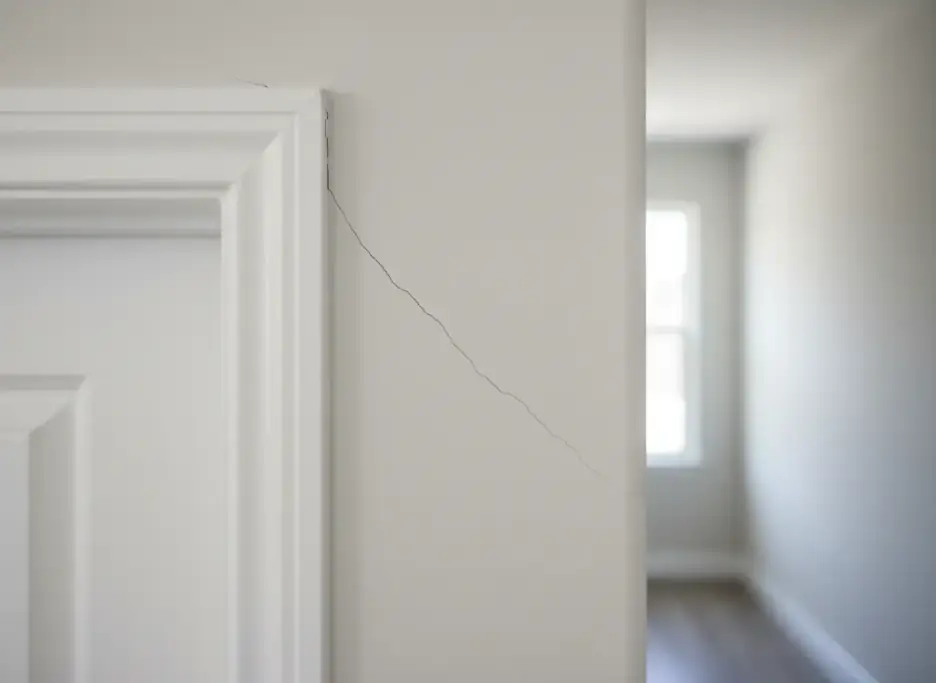
Most new homes come with some kind of builder warranty, and the window to use it is short. Warranty terms, the claim process and the deadlines vary from builder to builder, so the first job is to find yours in the closing paperwork and read it. The second job is to understand what a home usually does in its first year, because that is the period when most warranty claims are won or lost. Alert Home Inspections offers a one-year warranty inspection for exactly this reason, using the same TREC standards of practice as its other inspections.
What a house tends to do in its first year
New construction contains a lot of material that started out wet or was installed under time pressure. Lumber dries, concrete cures, soil under and around the foundation reacts to rain and drought, and the house adjusts. None of that is a scandal. It is why builders offer warranties at all. The following items are typical of what turns up in a first-year house, and this is general trade experience, not a statistic from any one company:
- Hairline cracks in drywall, usually near the corners of doors and windows and along ceiling joints, as framing dries and shifts.
- Nail pops, where a fastener works loose and a small bump shows through the paint.
- Caulk and grout that has shrunk or separated around tubs, showers and backsplashes.
- Doors that rub, latch poorly or no longer close flush because the frame has moved.
- Soil settling beside the foundation, which can leave low spots where water collects instead of draining away.
- Minor plumbing seeps at supply connections under sinks and behind toilets.
Some of these are cosmetic and some point to something that wants attention. The skill is in telling them apart, and that is where an outside set of eyes helps.
What the inspector looks for that you might not
Owners live with a house every day and stop noticing it. An inspector arrives with a fixed method and no history with the place. That means the attic gets a look for insulation that was disturbed by trades and never put back, the ductwork gets checked for kinked runs and loose connections, and the roof gets a look at flashings and penetrations. Outside, the grading around the foundation gets checked for slopes that have flattened or reversed since the builder finished. Inside, the electrical panel, outlets, plumbing fixtures and appliances are each tested again, now that the house has been through a full set of seasons.
Moisture is worth special attention. A small leak under a sink or a slowly dripping condensate line from the air handler can stay hidden for months, and it is far easier to document while the builder's warranty still applies than after it has lapsed. The same goes for drainage. If a downspout dumps next to the slab or a bed of soil has slumped against the brick, correcting it early protects the foundation for years.
Choosing the right month
Alert's warranty inspection page makes the timing point plainly: get the inspection done before the one-year warranty runs out. The practical reading of that advice is to schedule it with room to spare. Builders need time to look at a list, send trades and schedule repairs, and a list that reaches them in the last few days of the term leaves very little margin. Booking the inspection somewhere in the later part of the first year, rather than the final week, gives you space to receive the report, review it, submit it in the format your builder requires and follow up.
The season matters a little too. A house that has been through a hot, dry stretch and then a wet one has already shown most of what it is going to show. Foundation-related symptoms, door and window operation and drainage behavior are all more informative after the ground has moved with the weather.
Turning the report into a warranty claim
- Read your warranty first, so you know what it covers, who to contact and whether claims must be in writing.
- Use the Summary Section of the inspection report as your claim list. Include the photograph for each item and refer to the report page.
- Send the list to the builder in the way the warranty requires, and keep a dated copy.
- Follow up on each item until it is repaired, and take a photograph of the finished work.
A report from an independent inspector also changes the tone of the conversation. A homeowner who says a wall looks odd is easy to put off. A homeowner who submits a documented, photographed list tied to a recognized inspection standard is much harder to ignore.
A note on items that are not the builder's problem
Not everything found in a one-year inspection is a warranty item. Ordinary maintenance, such as air filters, caulk touch-ups and gutter cleaning, remains with the owner, and the report is a good prompt for handling those too. A fair inspection will separate what belongs on a claim from what belongs on your to-do list, and that distinction keeps your relationship with the builder cooperative rather than combative.
For the details of what Alert checks at the one-year mark, see the warranty inspections page under Services. To book your inspection while your builder's warranty is still running, call Alert Home Inspections in Weatherford at (817) 999-4162.
Alert Home Inspections, (817) 999-4162
Call (817) 999-4162More articles
What Happens During a Texas Home Inspection
Inspection day follows a set order, and knowing it ahead of time makes the whole process easier to follow.
Phase Inspections on a New Build in Parker County
The most important parts of a new house are the parts nobody will ever see again once the next trade shows up.