Pre-Listing Inspections: A Seller's Head Start
Having the house inspected before the sign goes up means you see what the buyer's inspector is going to see.
October 16, 2026 · 4 min read
Most sellers meet their house's problems for the first time when the buyer's inspection report lands in the middle of a negotiation. By then the clock is running, the buyer holds the upper hand and every discovery feels like a crisis. A pre-listing inspection reverses that order. You hire an inspector before the house goes on the market, you read the report on your own timeline and you decide what to do while nothing is riding on the answer. Alert Home Inspections offers this service to sellers in Weatherford and the rest of Parker County, using the same TREC Standards of Practice as its buyer inspections.
A more realistic view when pricing
Alert's pre-listing page says these inspections give you a more realistic perspective when pricing your home, and that is the most underrated benefit. Pricing is usually built from comparable sales, which tell you what other houses brought. They do not tell you that your roof has a failing flashing or that your air conditioner is near the end of its service life. An inspection report is house-specific information that your agent can set beside the comparables, so the number you list at reflects the home you actually have.
Pricing based only on hope tends to correct itself in one of two painful ways. The house sits on the market until the price drops, or a buyer's inspection exposes a problem and the negotiated price falls by more than the problem is worth. Knowing the condition up front avoids both.
Repairs on your schedule, not the buyer's
Once a buyer finds a problem, the repair becomes a bargaining chip. Once you find it first, it is just a repair. You can collect quotes, choose your own contractor and schedule the work around your life, instead of agreeing to a credit or a rushed fix inside a short window. The goal, in the words of Alert's page, is to address problems so you can make the necessary repairs and avoid negotiating roadblocks later.
You do not have to repair everything. Here is a reasonable way to sort a pre-listing report:
- Fix now: safety items, active leaks and anything that is cheap to repair but looks alarming in a buyer's report.
- Decide with your agent: older equipment that works today but is clearly aging, where a price adjustment may make more sense than a replacement.
- Disclose and leave: cosmetic and minor items that a buyer is likely to accept as normal for a house of this age.
Safety issues before the first showing
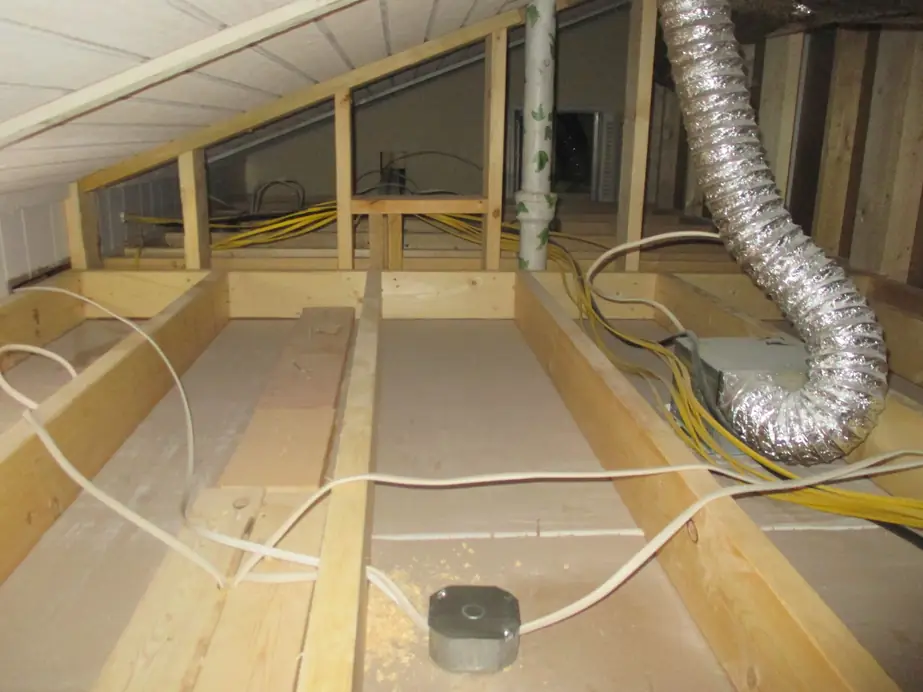
A pre-listing inspection can also alert you to immediate safety issues before potential buyers tour the home. Houses collect small hazards over the years, and owners stop seeing them: a loose stair handrail, an outlet that never tested properly, a missing cover on a junction box, a gas appliance with a poor connection, a bathroom receptacle without ground-fault protection. These are the sorts of things that are easy to correct and unpleasant to have a stranger discover while walking through the house.
Fixing them before the first showing also protects the people touring. A house open to the public for weeks has a lot of foot traffic, and anything that could trip, shock or burn someone is worth handling beforehand.
Adding the report to your disclosure
According to Alert's pre-listing page, you can reduce the chances of liability by adding professional supporting documentation to your disclosure statement. In practice, that means attaching or referencing the inspection report alongside your seller's disclosure so buyers see a documented, professional account rather than only your own recollection. The report is also evidence that you took the condition of the house seriously. How disclosure works for your specific sale is a question for your listing agent or an attorney, and Alert is not offering legal advice, but a professional report is a strong place to start that conversation.
Where the report helps in negotiation
When a buyer's own inspector comes through, there should be few surprises. Items on your report that you already fixed are done. Items you disclosed are known. What is left is a short list, and your side of the table has already thought about each item. Buyers also tend to respond well to a seller who arrives with paperwork instead of excuses, because it signals that the house has been looked after.
A buyer's inspector may still find something the pre-listing report did not. Conditions change, and different inspectors sometimes weigh a marginal item differently. A pre-listing report is not a guarantee that no one will find anything. It is a way to put the big, predictable surprises behind you.
When to schedule it
Book the inspection before photographs are taken and before the listing goes live, ideally with a few weeks of room for repairs. If you are still deciding whether to sell, the report is useful then too, since it tells you what a sale would cost you in repairs and what you might want to do first.
The pre-listing inspection page under Services lays out what Alert covers for sellers. To schedule yours, call Alert Home Inspections at (817) 999-4162.
Alert Home Inspections, (817) 999-4162
Call (817) 999-4162More articles
What Happens During a Texas Home Inspection
Inspection day follows a set order, and knowing it ahead of time makes the whole process easier to follow.
Phase Inspections on a New Build in Parker County
The most important parts of a new house are the parts nobody will ever see again once the next trade shows up.