How to Read Your Home Inspection Report
A good report is long on purpose, and the trick is knowing which parts to read first and which to act on.
October 16, 2026 · 4 min read
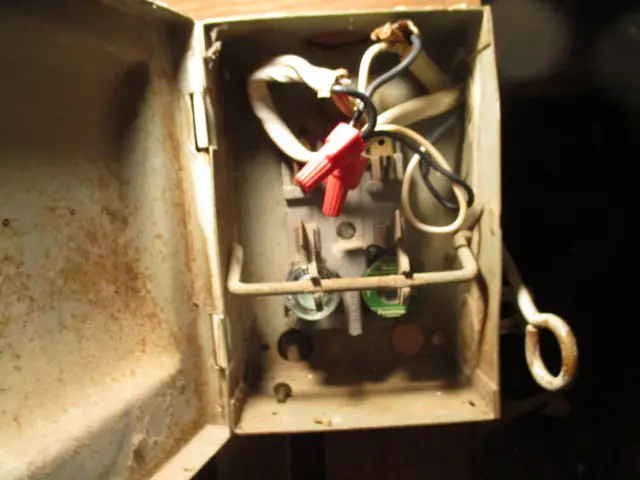
An inspection report can run to dozens of pages, and the volume alone makes some buyers nervous. It helps to remember that length reflects thoroughness, not alarm. A report that documents every system in a house will always contain more items than a house has serious problems. Alert Home Inspections writes its reports to be informative and easy to read, and a few habits make them easier still to use.
Start with the Summary Section
Alert's report includes a Summary Section that lists the defective and marginal items needing repair or replacement. Read that first, before the detailed pages. It is the distilled list that your agent, your contractor and the seller will all be working from. Then go to the full sections for the context behind any item you have questions about: where it is, what it looks like and what the inspector observed.
One reviewer who had Darren Lee inspect a home wrote that he clearly distinguished between normal maintenance items and true concerns, and that the report made it easy to prioritize what mattered. That is the right mindset for the whole document. Your job is to sort, not to panic.
Defective, marginal and routine upkeep
Different items carry different weights, and the report works best when you treat them differently:
- Defective items are not working as they should, or they present a safety or damage risk. These normally deserve a repair or a professional evaluation.
- Marginal items still work but show wear, age or a condition worth watching. They are good candidates for a negotiation conversation or a budget line.
- Routine upkeep covers things every house needs, such as filter changes, caulk touch-ups and gutter cleaning. They belong on your maintenance calendar, not on a repair request.
Safety and moisture are the two categories to read most carefully. A loose doorknob and a leaking water heater both appear in a report, but they do not deserve the same attention. Anything touching electrical safety, gas, active water intrusion or structural movement should move to the top of your list.
Using the photographs
Alert includes digital photographs taken during the inspection, and they are the most useful part of the report after the Summary Section. A written description tells you a problem exists. A photograph shows you what it looks like and where it is, which makes a huge difference when you forward it to a contractor, a seller or a builder. A roofer looking at a clear photograph can often tell you whether the repair is minor or major before driving out.
Pair each photograph with the written note beside it, since together they give the location, the condition and the inspector's recommendation in one place.
When to call a specialist
A general inspection is a visual survey of the whole house. It is not a deep dive into any single system, and the report will sometimes recommend further evaluation by a qualified professional. Take that recommendation seriously. Typical cases include a roofer for a roof covering near the end of its life, an electrician for panel or wiring concerns, an HVAC technician for equipment that is not performing, a plumber for suspect supply or drain lines, and a foundation specialist when there are signs of movement.
Alert also takes requests for several specialized inspections that are worth knowing about when you book. Its appointment form lists termite inspection, pool, septic and additional structures alongside home and commercial inspections. Randall Wooten also holds a National Association of Wastewater Technician credential, which is a useful background on the septic side. If the property has a pool, a septic system or a detached shop, adding the right inspection to the same visit is far easier than scheduling a second one later.
How buyers and agents use the report
In Texas, a home purchase contract commonly includes an option period during which the buyer can have the property inspected and decide how to proceed. The length of that period and any associated fee are set in the contract between the parties, so check yours rather than assuming. What matters for the report is that it arrives while the buyer still has choices, which is one reason Alert delivers the finished report within 24 hours of the inspection.
During that period, the buyer and their realtor typically go through the Summary Section together. They decide which items to request as repairs, which to ask for as a credit, which to accept as they are and whether any finding raises a bigger question. The photographs support each request, and the report itself becomes the shared reference that all sides can read. A clear, specific request tied to a photograph and a report page is more likely to produce a clear answer.
After the seller agrees to repairs, the Pre-Closing Home Inspection checklist in the report gives you something to check against before closing. Confirming the work is done is a quiet but important step that many buyers skip.
You can see what a finished report looks like in the sample reports Alert posts on its website, and the home inspections page under Services explains how the sections are organized. If a line in your report is unclear, ask, because a report only helps if you can act on it. For questions about a report you already hold, or to schedule your next inspection, call Alert Home Inspections at (817) 999-4162.
Alert Home Inspections, (817) 999-4162
Call (817) 999-4162More articles
What Happens During a Texas Home Inspection
Inspection day follows a set order, and knowing it ahead of time makes the whole process easier to follow.
Phase Inspections on a New Build in Parker County
The most important parts of a new house are the parts nobody will ever see again once the next trade shows up.